About
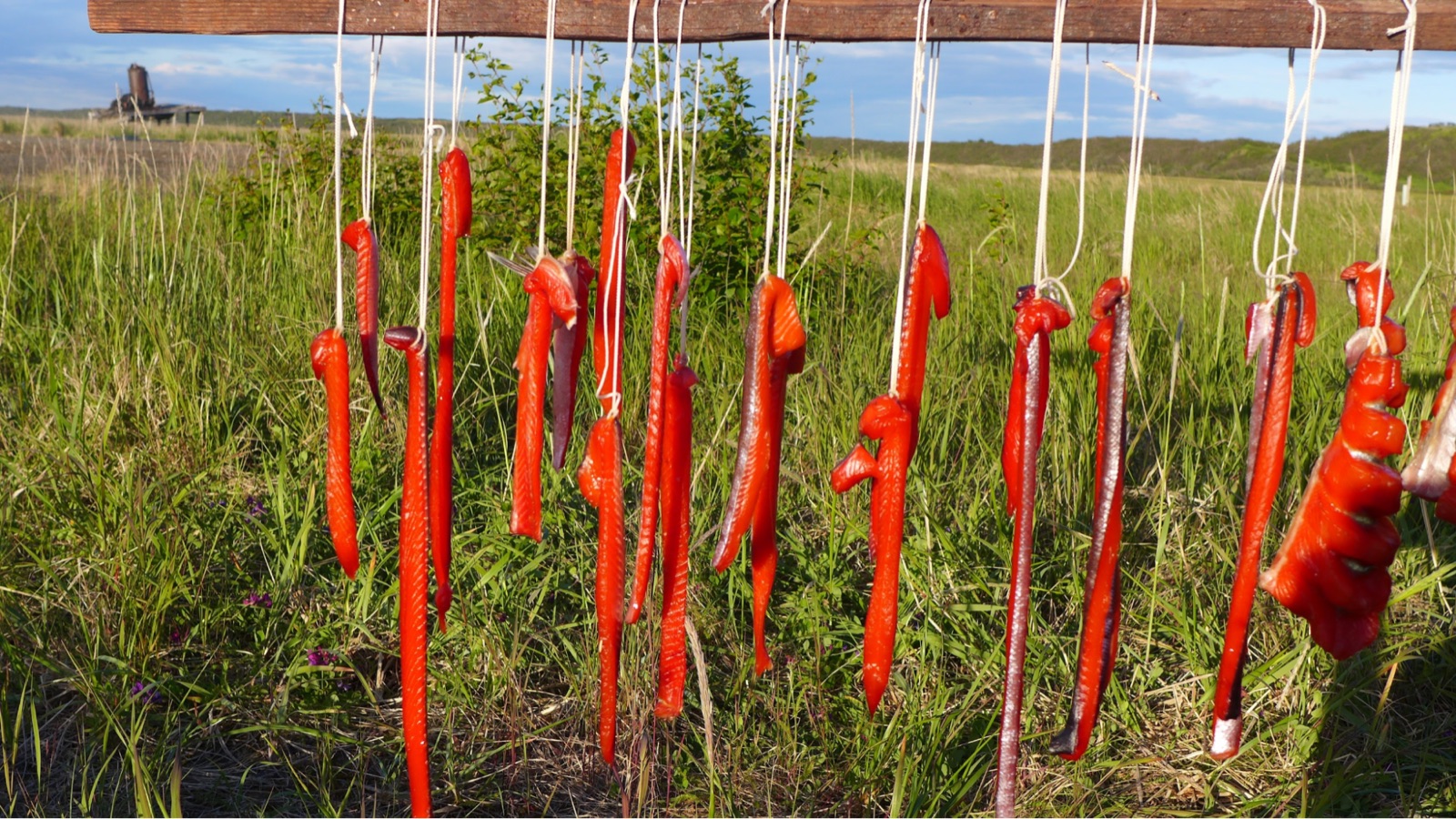
The name Pathways Upstream was born out of my Yup'ik (Alaska Native) heritage and my training in social work and public health. Every year, the salmon return upstream to the place they were born. This annual journey has been part of the rhythm of my own life. In social work and public health, we know about the need to look “upstream” — we go to the source to address the root cause of adversity. Just as I am on a journey of deepening my understanding and connection to my own history and heritage, I aim to support you in exploring what will help you live your most fulfilled life.
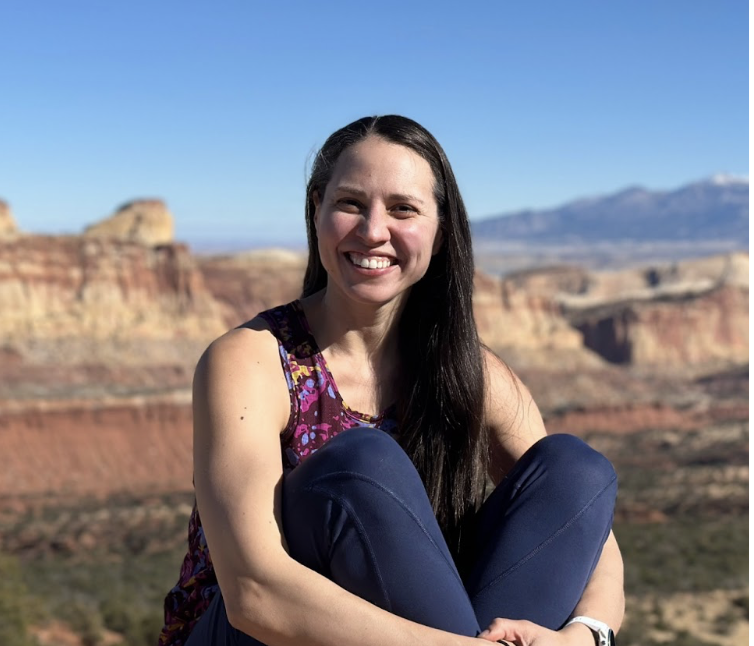
I was raised in rural Alaska, went to school in California, and now call Utah my home. When I'm not working, I spend as much time as I can with my family and playing in the outdoors. I enjoy trail running, hiking, and rock climbing, and I have relished introducing my two daughters to the wonders of nature.
Approach
I ground myself in empathy, acceptance, and whole-hearted listening. I view experiences through a trauma-informed and anti-oppression lens that aims to be mindful of the historical, cultural, and social factors that influence health and well-being. I use a developmental framework to normalize and problem-solve parenting and relational challenges. I hold that everyone is doing the best they can and that there is power in being curious towards those parts of us that sometimes get in the way. Together, we'll create a path towards recovery and sustainability.
It is an honor to bear witness to others’ stories, and I am humbled by the opportunity to accompany you on your journey of self-exploration.
Graduate training and work experience
I have Master’s degrees in Social Work and Public Health and I have been a practicing clinician for over a decade. During graduate school, I worked with children and teens in school-based and medical settings. My post-master’s clinical training was at a child and adolescent outpatient mental health clinic, followed by time at a youth residential treatment program. I then spent 5 years working at an integrated primary care clinic supporting adults and children with chronic and complex medical and behavioral health concerns. At that clinic, I provided intensive mental health treatment and care coordination to patients, supported members of the treatment team, led the trauma-informed care initiative, and facilitated the overall behavioral health integration efforts.
I hold the perinatal mental health certification from Postpartum Support International with training to offer assessment and treatment for women and families across the spectrum of reproductive health experiences. I am an Internal Family Systems Level 1 trained clinician through the IFS institute, which I completed with an amazing Global Majority cohort. I completed EMDR training with the EMDR Institute and participate in ongoing EMDR trainings.
Credentials and Training
- Licensed Clinical Social Worker, Utah 10999106-3501
- Licensed Clinical Social Worker, California 77738
- Licensed Clinical Social Worker, Alaska 236808
- Certified Perinatal Mental Health Professional (PMH-C), Postpartum Support International
- Internal Family Systems Level 1 (Global Majority), IFS Institute
- Eye Movement Desensitization and Reprocessing trained, EMDR Institute
Education
- Bachelor of Arts, Human Biology, Stanford University
- Master of Social Welfare, Direct Practice in Health, University of California, Berkeley
- Master of Public Health, Maternal and Child Health, University of California, Berkeley
- Leadership Fellow, Center for Health Leadership, University of California, Berkeley
Media
- Historical Trauma and Perinatal Mental Health: Celebrating Resilience and Supporting Healing Among American Indian and Alaska Native Women. BrownBag Videos and Materials. ELEVATE Maternal Health Center of Excellence, Department of Obstetrics & Gynecology, University of Utah School of Medicine. August 2026.
- Trauma-Informed Care in an integrated medical/behavioral health setting. University of Utah Health. January 2022.
Publications
- Cackler CJJ, Shapiro VB, Lahiff M (2016). Female sterilization and poor mental health: rates and relatedness among American Indian and Alaska Native women. Women’s Health Issues, 26(2), 168–175. doi:10.1016/j.whi.2015.10.002 [PubMed]
- Slater E, Litts C, Tehee M, Mack S, Cackler C, Bank S, The IOC Team (2023). Centering culture in the clinic: how healthcare professionals learn through a trauma-informed cultural competence training. Proceedings of the International Conference of the Learning Sciences, 2059–2060. doi:10.22318/icls2023.863771
- Bailey SR, Hagan SA, Jeffery CJ, Harrison CT, Ammerman S, Bryson SW, Killen DT, Robinson TM, Killen JD (2013). A randomized clinical trial of the efficacy of extended smoking cessation treatment for adolescent smokers. Nicotine and Tobacco Research, 15(10), 1655–1662. doi:10.1093/ntr/ntt017
- Bailey SR, Jeffery CJ, Hammer S, Bryson SW, Killen DT, Ammerman S, Robinson TN, Killen JD (2012). Assessing teen smoking patterns: the weekend phenomenon. Drug and Alcohol Dependence, 120, 242–245. doi:10.1016/j.drugalcdep.2011.07.014
- Bailey SR, Harrison CT, Jeffery CJ, Ammerman S, Bryson SW, Killen DT, Robinson TN, Schatzberg AR, Killen JD (2009). Withdrawal symptoms over time among adolescents in a smoking cessation intervention: do symptoms vary by level of nicotine dependence? Addictive Behaviors, 34, 1017–1022. doi:10.1016/j.addbeh.2009.06.014